
If you’ve ever climbed into your car on a mid-July afternoon in Orlando and been hit by a wall of heat that makes you question your life choices, you already know—a working air conditioning system isn’t a luxury in Central Florida. It’s a survival tool.
With average summer temperatures pushing well into the 90s and humidity that makes it feel even hotter, your vehicle’s AC system works harder here than almost anywhere else in the country. That constant strain leads to wear, breakdowns, and the dreaded moment when your vents start blowing warm air right in the middle of I-4 traffic.
The good news? Most automotive air conditioning repair issues are preventable with the right knowledge and a trusted local mechanic. In this guide, we’ll walk you through the warning signs of AC trouble, the most common causes, what to expect during a professional repair, and how to keep your system running efficiently in Orlando’s punishing climate.
How Your Car’s Air Conditioning System Works
Understanding the basics helps you recognize problems early and communicate effectively with your mechanic.
Your vehicle’s AC system operates on a closed loop that circulates refrigerant through several key components. The compressor pressurizes refrigerant gas and sends it to the condenser, which cools it into a liquid. That liquid flows through the expansion valve, where it drops in pressure and temperature before entering the evaporator. As warm cabin air passes over the cold evaporator, heat is absorbed and cool air is pushed into your car through the vents.
When any component in this cycle fails or underperforms, you feel it immediately—especially in Florida, where your AC rarely gets a break between March and November.
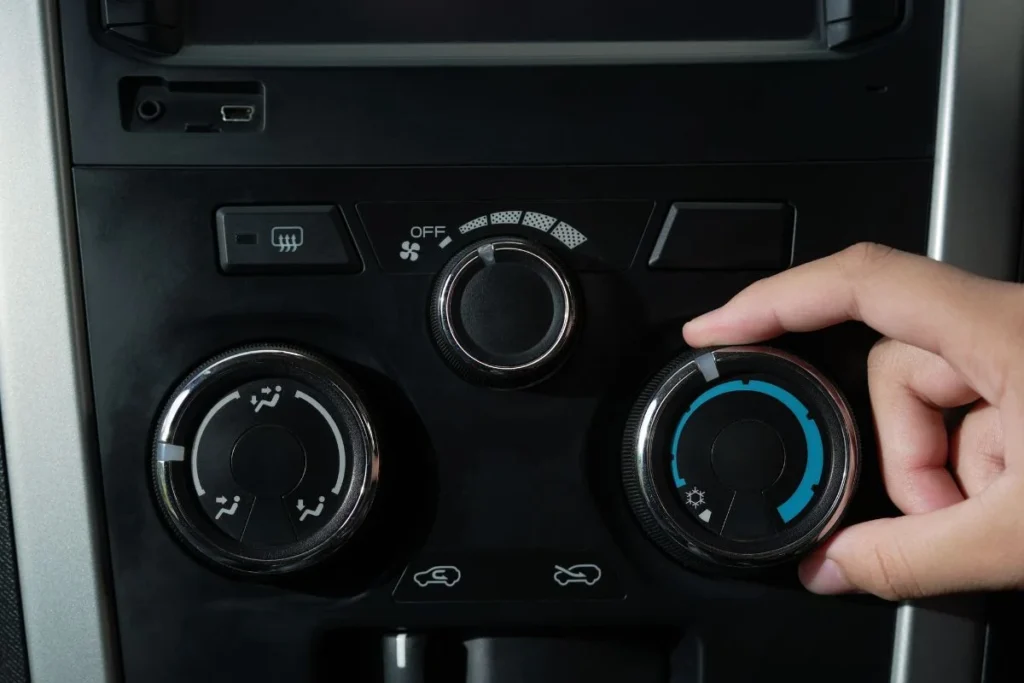
Warning Signs You Need Automotive Air Conditioning Repair
Don’t wait until your AC stops working entirely. These early warning signs indicate it’s time to schedule a diagnosis:
Warm or lukewarm air from the vents. This is the most obvious sign. If your AC blows cold initially and then switches to warm, or never gets cold at all, something in the system needs attention.
Weak airflow. If air is trickling out instead of blowing strongly, you could be dealing with a clogged cabin air filter, a failing blower motor, or a blockage in the ductwork.
Unusual noises when the AC is on. Rattling, grinding, clicking, or squealing sounds often point to a worn compressor clutch, loose belt, or failing fan motor.
Musty or foul odors. A moldy smell coming through the vents typically means bacteria or mold has built up on the evaporator or inside the ductwork—a common issue in Florida’s humid climate.
Moisture or puddles inside the cabin. While some condensation under the car is normal, water pooling on your passenger-side floor mat usually signals a clogged drain line.
AC cycling on and off rapidly. If the system keeps engaging and disengaging, it could indicate low refrigerant, an electrical issue, or a failing pressure switch.
If you’re noticing any of these symptoms, don’t put it off. In Orlando’s heat, a minor AC issue can escalate into a major repair quickly. Bring your car to Irish Mike’s Total Car Care for a thorough inspection before a small problem becomes a big bill.
Most Common Causes of Car AC Failure in Orlando
Florida’s climate creates specific challenges that accelerate wear on automotive AC systems. Here are the issues our technicians see most often:
Refrigerant Leaks
Refrigerant is the lifeblood of your AC system. Over time, seals, hoses, and connections can develop small cracks that allow refrigerant to escape. Without adequate refrigerant levels, the system physically cannot produce cold air. In Orlando’s heat, even a minor leak becomes noticeable fast because the system is under constant demand.
Compressor Failure
The compressor is the hardest-working component in the system, and it takes the biggest beating in hot climates. Compressors can fail due to lack of lubrication (often caused by low refrigerant), electrical problems, or simple wear from running nearly year-round. A seized or failing compressor is typically the most expensive AC repair, which is why catching problems early matters.
Clogged or Damaged Condenser
The condenser sits at the front of your vehicle and is exposed to road debris, bugs, dirt, and the occasional parking lot mishap. A clogged condenser can’t dissipate heat effectively, which means the refrigerant doesn’t cool properly and your cabin stays warm. Physical damage from rocks or minor collisions can also compromise the condenser.
Worn Cabin Air Filter
This is one of the simplest and most overlooked maintenance items. A dirty cabin air filter restricts airflow, makes your AC work harder, and can contribute to musty smells inside the vehicle. In Central Florida, where pollen, dust, and humidity are constant, cabin air filters clog faster than in drier climates.
Electrical Issues
Modern AC systems rely on a network of sensors, relays, fuses, and wiring to function. A blown fuse, corroded connector, or faulty pressure sensor can shut down your entire system even when the mechanical components are fine. Heat itself can worsen electrical faults, which is why these issues tend to surface during Orlando’s hottest months.
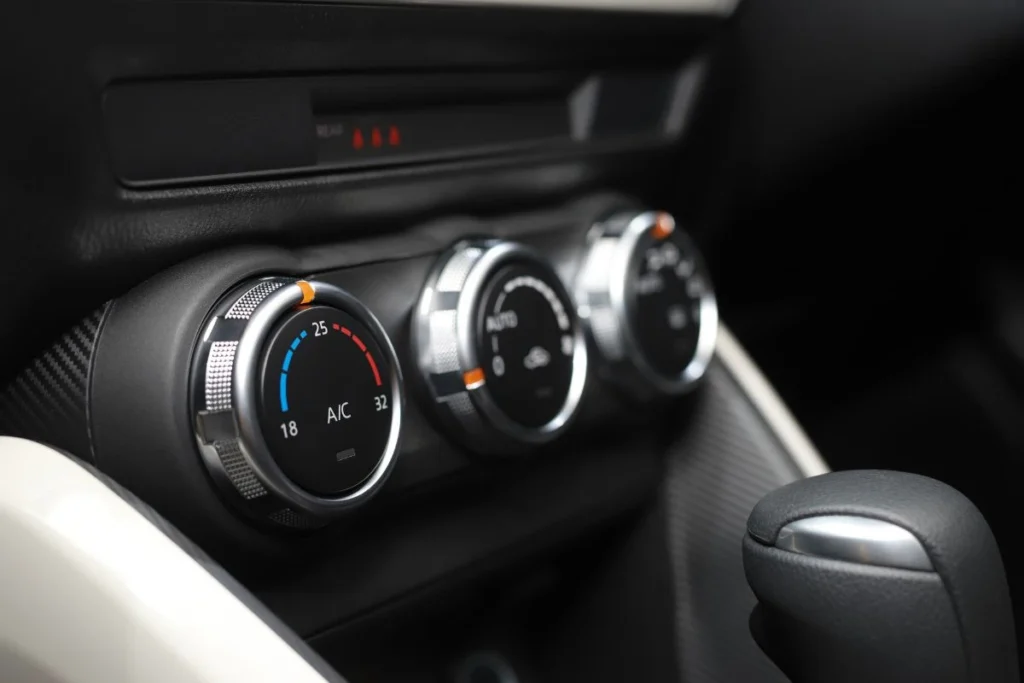
What to Expect During a Professional AC Repair
When you bring your vehicle in for automotive air conditioning repair, a qualified technician will typically follow this process:
System inspection and diagnostics. Using specialized gauges and electronic diagnostic tools, the technician checks refrigerant pressure levels, compressor operation, and electrical system function to pinpoint the root cause.
Leak detection. If low refrigerant is suspected, the technician uses UV dye or electronic leak detectors to locate the source. This step is critical—simply recharging refrigerant without fixing the leak is a temporary fix that wastes money.
Component repair or replacement. Depending on the diagnosis, the repair might involve replacing O-rings and seals, installing a new compressor or condenser, replacing the expansion valve, or repairing electrical connections.
System recharge and performance test. After repairs, the system is evacuated, recharged with the correct amount and type of refrigerant, and tested to verify proper cooling output and pressure readings.
A professional shop will explain the diagnosis clearly, provide a detailed estimate, and never pressure you into unnecessary repairs. That’s the standard you should expect—and it’s the standard at Irish Mike’s Orlando AC repair service.
Why Orlando Drivers Need to Take AC Maintenance Seriously
Here’s a fact that surprises many drivers: automotive air conditioning repair costs are significantly higher when you skip routine maintenance.
Your AC system is designed to be serviced, not just run until it breaks. Most manufacturers recommend having the system inspected annually and the refrigerant recharged every two to three years. In Florida’s climate, staying on top of this schedule is even more important.
Consider what your AC system deals with in Orlando. Temperatures regularly exceed 95°F from May through September. Humidity levels hover between 70 and 90 percent for months on end. Interior car temperatures can reach 150°F or higher when parked in direct sun—one Orlando-based experiment measured steering wheel surfaces hitting 162°F in summer.
That means your compressor, condenser, and evaporator are working at or near maximum capacity for roughly eight months of the year. Parts wear faster, refrigerant depletes sooner, and small leaks become big problems in a shorter timeframe than drivers in milder climates experience.
Proactive maintenance saves money. A routine inspection and recharge might cost a fraction of what a full compressor replacement runs. More importantly, it keeps you comfortable and safe during those long commutes on the 408 or afternoon pickups in the school carline.
Tips to Extend the Life of Your Car’s AC System
Between professional service visits, these habits help keep your AC running efficiently:
Start your AC on low. When you first get in a hot car, crack the windows for a minute to let the worst of the trapped heat escape, then turn on the AC. This reduces the initial load on the system.
Use recirculate mode. Once the cabin starts cooling, switch to recirculate. This allows the system to cool already-cooled air rather than constantly pulling in hot outside air, reducing strain on the compressor.
Run the AC regularly—even in winter. Running your AC for 10 to 15 minutes once a month during cooler months keeps the compressor seals lubricated and prevents them from drying out and cracking.
Park in shade when possible. Reducing interior heat means your AC doesn’t have to work as hard when you start driving. Sunshades help, but shade is even better.
Replace your cabin air filter on schedule. Check your owner’s manual, but most filters should be replaced every 15,000 to 20,000 miles—potentially sooner in Florida’s dusty, pollen-heavy environment.
Don’t ignore early symptoms. A slightly warm vent or a faint musty smell might seem minor, but addressing it early is always cheaper than waiting for a full system failure.
Why Choose Irish Mike’s Total Car Care for AC Repair in Orlando
When your AC needs attention, you want a shop that combines technical expertise with honest, straightforward service. Irish Mike’s Total Car Care has built a reputation in the Orlando community for doing exactly that.
Our ASE-certified technicians diagnose the actual problem—not just the symptoms—and explain your options clearly so you can make informed decisions. We use quality parts, stand behind our work, and treat every vehicle as if it were our own.
Whether you need a simple recharge, a full system overhaul, or just want a pre-summer inspection to make sure everything is running right, we’re here to help. Orlando’s heat isn’t going anywhere, but your AC problems can.
Ready to Beat the Orlando Heat?
Don’t wait until you’re stuck in traffic on I-4 with no cold air. Schedule your automotive air conditioning repair today and get back to comfortable driving.
Visit Irish Mike’s Total Car Care online or call us to book an appointment. Our Orlando shop is ready to diagnose, repair, and maintain your AC system so you stay cool all year long.
Frequently Asked Questions About Automotive Air Conditioning Repair
How much does automotive air conditioning repair cost?
Costs depend on the specific issue. A simple refrigerant recharge typically runs between $100 and $250, while more involved repairs like replacing a compressor can range from $500 to $1,200 or more depending on the vehicle. The best approach is to get a professional diagnosis first so you know exactly what needs to be fixed before committing to any work.
How often should I have my car’s AC system serviced?
Most manufacturers recommend an AC inspection at least once a year and a full refrigerant recharge every two to three years. In Orlando’s climate, where your AC runs almost year-round, annual inspections are especially important for catching small issues before they become expensive repairs.
Why is my car AC blowing warm air?
The most common causes are low refrigerant (usually from a leak), a failing compressor, a clogged condenser, electrical issues such as blown fuses or faulty sensors, or a dirty cabin air filter restricting airflow. A professional diagnostic will identify the specific cause so the right repair can be made the first time.
Can I just recharge the refrigerant myself?
DIY recharge kits are available, but they come with risks. Without proper diagnostic equipment, you can’t determine whether there’s a leak, how much refrigerant the system actually needs, or whether overcharging is occurring—which can damage the compressor. For a system that’s lost refrigerant, there’s almost always an underlying leak that needs professional attention.
How long does an AC repair take?
Simple repairs like a recharge or cabin air filter replacement can often be completed in under an hour. More complex work such as compressor or condenser replacement typically takes three to five hours. Your technician should give you a time estimate after the initial diagnosis.
Does Florida heat really damage car AC systems faster?
Yes. The constant demand placed on AC components in Florida’s climate accelerates wear on the compressor, seals, and hoses. Systems that might last years in cooler regions can develop issues sooner in Orlando due to the extended operating season and extreme heat exposure. This is why regular maintenance is particularly important for Central Florida drivers.
What’s the difference between an AC recharge and an AC repair?
A recharge adds refrigerant to the system and is a routine maintenance service. A repair addresses a specific mechanical, electrical, or structural problem—such as a leak, a failed compressor, or a damaged condenser—that’s causing the system to malfunction. If your system needs frequent recharges, it almost certainly has a leak that requires repair.